

Dermatologists who treat acne, rosacea, and sebaceous disorders
A clear guide to understanding why acne appears, how to recognize it, and what decisions are usually safer.
Before reading: En skinpaths We distinguish between opinion and evidence. To write this content, we prioritized indexed medical sources and recommendations from scientific societies. At the end, you will find the complete bibliography for your reference.
Important: This article is for informational purposes only and does not replace medical advice. If you have any questions, persistent symptoms, or your condition worsens, consult a healthcare professional.
Summary in 60 seconds
- Acne is a common inflammatory disease of the pilosebaceous unit: the set formed by the hair follicle and the sebaceous gland.
- It's not caused by "dirt" or poor hygiene. Sebum, clogged pores, inflammation, normal skin bacteria, and hormonal sensitivity all play a role.
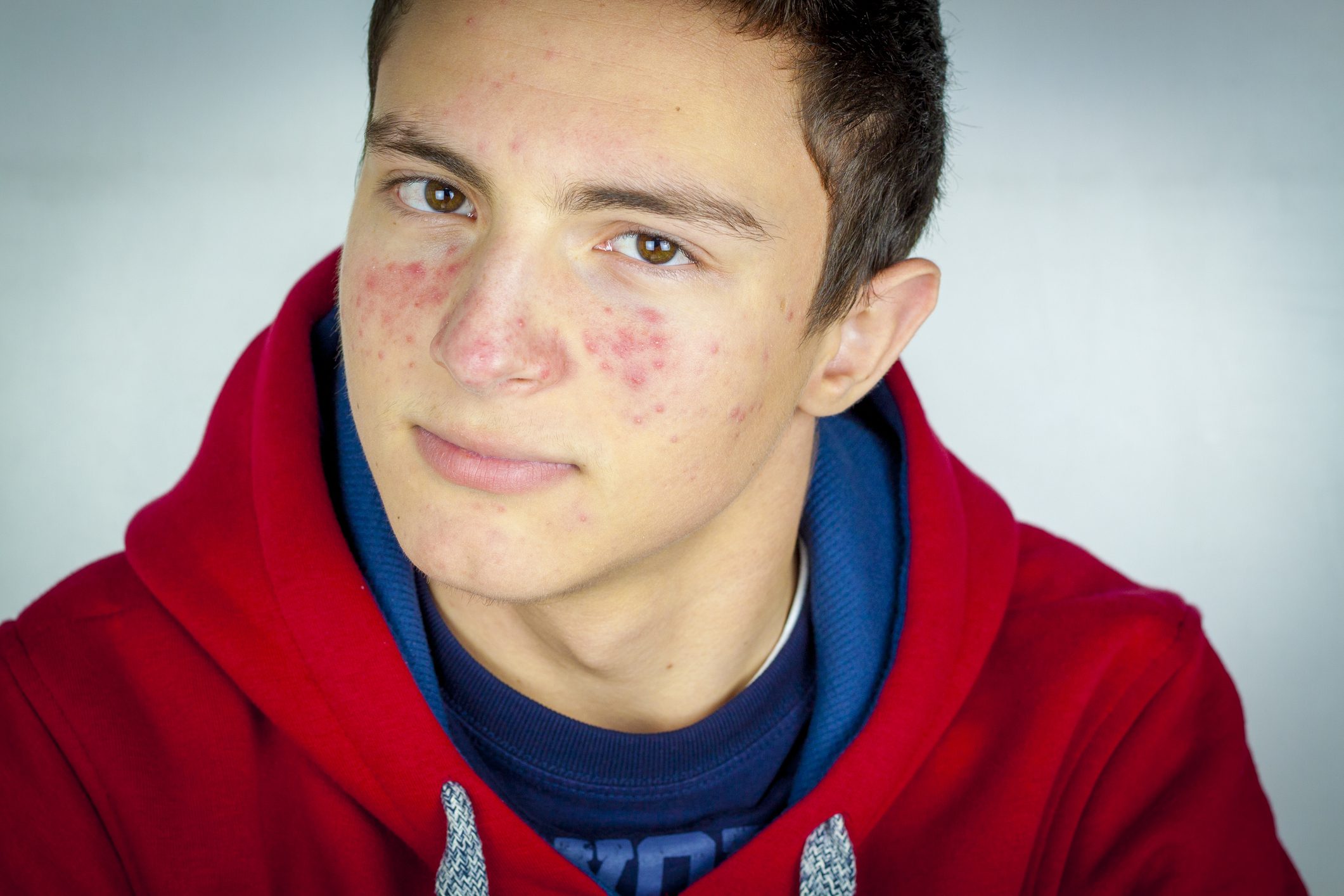
- It can appear as blackheads, whiteheads, red spots, pustules, painful nodules, or cysts.
- The face is the most common area, but it can also affect the back, chest, shoulders, and neck.
- The treatment requires consistency: many medications take several weeks to show visible changes.
- Picking at pimples can increase the risk of blemishes and scarring.
- “Aggressive” products or intense exfoliants often irritate and worsen tolerance to the treatment.
- The dermatologist may prescribe topical treatments, oral antibiotics, hormonal therapies, or isotretinoin, depending on the case.
- You should consult a specialist if there is pain, nodules, scarring, persistent spots, emotional impact, or lack of improvement.
What is it?
Acne, also called acne vulgaris, is a chronic inflammatory skin condition that primarily affects areas with many sebaceous glands, such as the face, back, chest, and shoulders. It is characterized by non-inflammatory lesions, such as open and closed comedones, and inflammatory lesions, such as papules, pustules, nodules, and cysts. Medical literature describes it as a multifactorial process involving increased sebum, follicle obstruction, inflammation, and the presence of Cutibacterium acnes , a bacterium that is part of the normal skin ecosystem. (Sutaria 2023)
Although it's associated with adolescence, acne isn't limited to that stage of life. It can persist into adulthood or begin for the first time in adulthood, especially in women. It can also leave dark or reddish marks after each lesion, known as post-inflammatory hyperpigmentation or post-inflammatory erythema, and in some cases, scarring.
Why does it appear?
Acne occurs when pores become clogged, creating an environment where sebum, dead skin cells, and inflammation accumulate. The initial lesion is the microcomedone: a microscopic blockage that can develop into whiteheads, blackheads, or inflammatory lesions. Clinical guidelines and reviews agree that it is not caused by a single factor, but rather by a combination of biological factors.
Among the most important factors are:
- Hormonal changes: Androgens stimulate the activity of the sebaceous glands. That's why acne is common in adolescence and can fluctuate with the menstrual cycle.
- Family predisposition: Having first-degree relatives with acne can increase the risk of developing it.
- Follicle obstruction: Excess cells and sebum can block the pore.
- Inflammation: Acne is not just "oily" skin; the skin's inflammatory response plays a central role.
- Comedogenic or occlusive products: Some cosmetics, sunscreens, hair oils, or friction-prone items can trigger outbreaks in predisposed individuals.
- Medications or hormonal conditions: Some drugs and disorders such as polycystic ovary syndrome can be associated with acne.
Regarding diet, the evidence is more cautious than what is often seen on social media. Some research has found an association between acne, high glycemic load, and dairy consumption in certain groups, but NICE points out that there is insufficient evidence to recommend a specific diet as a universal acne treatment. Therefore, rather than general prohibitions, it is advisable to individualize the approach: observe personal patterns, avoid extremes, and maintain a balanced diet. NICE 2026 , Meixiong 2022
What does it look like and what symptoms does it cause?
Acne can appear in different forms, and a single person can have several types of lesions at the same time.
Closed comedones , commonly known as whiteheads, are small, raised, skin-colored or whitish bumps. Open comedones , commonly known as blackheads, are not dirt: their dark color is due to oxidation of the pore contents. Papules are red or inflamed bumps without visible pus, while pustules contain pus. Nodules and cysts are deep, painful lesions with a higher risk of scarring.
Symptoms may include tenderness, pain, mild burning, oily skin, inflammation, and emotional distress. In more pigmented skin, post-acne blemishes can be as much of a concern as the active breakout. These blemishes can take months to fade, although they are not the same as permanent scarring.
An important point: the severity of acne doesn't depend solely on the number of pimples. Pain, the depth of the lesions, the presence of scars, blemishes, spread to the back or chest, and the impact on self-esteem also matter.
What can you do today? (concrete and safe measures)
The safest approach is to build a simple, consistent, and tolerable routine. The initial goal is not to "dry out" the skin, but to reduce inflammation, prevent clogged pores, and improve tolerance to the treatment.
Cleansing: Wash your skin with a gentle, non-alkaline cleanser once or twice a day and after sweating. Avoid brushes, sponges, harsh physical exfoliants, and aggressive soaps. NICE recommends syndet-type products, with a neutral or slightly acidic pH, for acne-prone skin.
Hydration: Using a non-comedogenic moisturizer can improve the skin barrier and reduce irritation from treatments like retinoids or benzoyl peroxide. Acne-prone skin can also be dehydrated or irritated.
Sunscreen: Choose non-comedogenic, lightweight, broad-spectrum formulas. Sun protection helps reduce the contrast of post-inflammatory hyperpigmentation and protects skin that may be more sensitive due to topical medications.
Over-the-counter treatments: For mild acne, some active ingredients may help, such as benzoyl peroxide, salicylic acid, or azelaic acid. Benzoyl peroxide is effective against C. acnes and helps reduce resistance when combined with topical antibiotics. Topical retinoids, when indicated, help prevent comedones and are frequently used as a foundation for treatment and maintenance. Reynolds 2024
Realistic timeframe: Many treatments require 8 to 12 weeks to assess results. Changing products every few days often irritates the skin and makes it difficult to determine what works.
What NOT to do?
It's best not to squeeze, scratch, or manipulate the lesions. This can prolong inflammation, increase the risk of secondary infection, blemishes, and scarring. Both NICE and the American Academy of Dermatology warn that scratching or popping lesions can worsen the appearance of acne.
It's also not advisable to use overly aggressive routines: daily exfoliation, toners with alcohol, multiple acids at the same time, irritating masks, or home remedies like lemon, baking soda, or toothpaste. Irritation does not equal effectiveness; it often damages the skin barrier and reduces adherence to treatment.
Avoid self-medicating with topical or oral antibiotics. Current guidelines recommend limiting the use of systemic antibiotics whenever possible, combining them with appropriate topical treatments, and avoiding antibiotic monotherapy to reduce the risk of bacterial resistance. Reynolds 2024
If you are pregnant, trying to conceive, or breastfeeding, do not start retinoids or isotretinoin without medical advice. Oral isotretinoin is teratogenic and requires close monitoring; topical retinoids are also not recommended during pregnancy.
When to consult?
Consult a dermatology specialist if any of these situations appear:
- Painful, deep acne with nodules or cysts.
- Scars, depressions, or persistent marks.
- Dark or red spots that last for months.
- Outbreaks on the chest, back, or shoulders that do not improve.
- Acne that does not respond after 8 to 12 weeks of consistent routine.
- Rapid worsening or highly inflammatory flare-up.
- Injuries with fever, general malaise, joint pain, or hemorrhagic scabs.
- Very early onset acne in children.
- Hormonal signs such as irregular periods, increased facial hair, male pattern hair loss, or unexplained weight gain.
- Emotional impact: intense shame, isolation, anxiety, sadness, or loss of social interest.
The AAD reminds us that many people with acne can benefit from seeking medical advice, even if they don't consider their case "severe." Emotional impact, persistence, scarring, and deep lesions are sufficient reasons to request an evaluation.
What does a dermatologist usually do?
The dermatologist typically begins with a medical history and a direct examination of the skin. They assess the type of lesions, their distribution, severity, the presence of spots or scars, previous treatments, skincare routine, current medications, and, when relevant, hormonal data. In most cases, acne is diagnosed clinically and does not require laboratory tests or a biopsy.
Treatment is tailored to the severity. For mild acne, topical retinoids, benzoyl peroxide, azelaic acid, or combinations thereof may be prescribed. For moderate or inflammatory acne, a topical or oral antibiotic may be added for a limited time, almost always in conjunction with benzoyl peroxide or a retinoid. In some women, combined oral contraceptives or spironolactone may be options when a hormonal pattern is present and there are no contraindications. For severe acne with scarring, significant emotional distress, or poor response to standard treatments, oral isotretinoin can be a highly effective alternative, but it requires medical follow-up, monitoring, and strict prevention of pregnancy. (Reynolds 2024 , Nast 2026)
Regarding isotretinoin and mental health, recent population-based evidence is more reassuring than some alarmist messages: a meta-analysis in JAMA Dermatology found no relative increase in the risk of suicide or psychiatric disorders at the population level, although it recommends continued clinical monitoring and psychodermatological care, especially if there is a history of psychiatric illness. This does not eliminate the need for close follow-up; rather, it reinforces it. (Tan 2024)
FAQ
Does acne appear from not washing your face?
- No. Acne is not a sign of dirtiness. Clogged pores, sebum, hormones, inflammation, and individual predisposition have more influence than hygiene. Washing too vigorously or too often can irritate the skin and worsen its tolerance to treatment.
Are blackheads dirt?
- No. The dark color appears when the contents of the pore come into contact with oxygen and oxidize. Squeezing them can irritate, inflame, or leave marks.
How long does it take for acne to improve?
- It depends on the severity and the treatment, but many plans require at least 8 to 12 weeks to assess the response. Improvement is usually gradual: first the inflammation decreases, then outbreaks become less frequent, and then treatment focuses on spots or scars.
Does food cause acne?
- There is no single diet that cures acne. While some people may experience associations with high-glycemic-load diets or dairy products, the evidence doesn't justify blanket prohibitions for everyone. It's advisable to observe your own individual patterns and consult a doctor if you have any concerns.
Can I wear makeup if I have acne?
- Yes, provided you choose non-comedogenic or non-acnegenic products and remove your makeup at the end of the day. The British Association of Dermatologists notes that makeup can boost confidence, but it should be chosen carefully and removed gently.
Does acne leave scars in all cases?
- Not everyone is at risk, but it increases with deep lesions, prolonged inflammation, picking at pimples, a family history of acne, or delayed treatment. Preventing scarring begins with treating active acne early and properly. Connolly 2017
Is isotretinoin dangerous?
- It is a potent and highly effective medication in selected cases, but it is not a cosmetic product and should not be used without medical supervision. Its most significant risk is teratogenicity during pregnancy. It can also cause dryness, abnormal lab results, and other effects that require monitoring. In the hands of a physician, with appropriate selection and monitoring, it can be a valuable tool.
Bibliography and sources
- Reynolds RV, Yeung H, Cheng CE, Cook-Bolden F, Desai SR, Druby KM, et al. Guidelines of care for the management of acne vulgaris. J Am Acad Dermatol. 2024;90(5):1006.e1-1006.e30. doi:10.1016/j.jaad.2023.12.017.
- National Institute for Health and Care Excellence. Acne vulgaris: management. NICE guideline NG198. London: NICE; 2021. Last reviewed 2026.
- Nast A, Al Wattar BH, Beylot Barry M, Brüggemann H, Bukvić Mokos Z, Caruana DM, et al. Update of the EuroGuiDerm evidence-based guideline for the treatment of acne—Short version. J Eur Acad Dermatol Venereol. 2026. doi:10.1111/jdv.70331.
- Sutaria AH, Masood S, Saleh HM, Schlessinger J. acne vulgaris. In: StatPearls. Treasure Island (FL): StatPearls Publishing; 2026. Updated 2023 Aug 17.
- Vasam M, Korutla S, Bohara RA. Acne vulgaris: A review of the pathophysiology, treatment, and recent nanotechnology based advances. Biochem Biophys Rep. 2023;36:101578. doi:10.1016/j.bbrep.2023.101578.
- Meixiong J, Ricco C, Vasavda C, Ho BK. Diet and acne: A systematic review. JAAD Int 2022;7:95-112. doi:10.1016/j.jdin.2022.02.012.
- Tan NKW, Tang A, MacAlevey NCYL, Tan BKJ, Oon HH. Risk of suicide and psychiatric disorders among isotretinoin users: A meta-analysis. JAMA Dermatol. 2024;160(1):54-62. doi:10.1001/jamadermatol.2023.4579.
- Connolly D, Vu HL, Mariwalla K, Saedi N. Acne scarring—pathogenesis, evaluation, and treatment options. J Clin Aesthet Dermatol. 2017;10(9):12-23.
- American Academy of Dermatology Association. Acne: Diagnosis and treatment. AAD; 2026.
- American Academy of Dermatology Association. Acne: Tips for managing. AAD; 2026.
- British Association of Dermatologists. Acne. BAD Patient Information Sheetlet; 2026.
- Etgü F, Sekerlisoy Tatar G. Risk Factors and Epidemiology of Acne Severity and Acne Scar Development: A Comprehensive Clinical Study. Dermatol Practice Concept. 2025;15(4):6108. doi:10.5826/dpc.1504a6108.

 |
|