
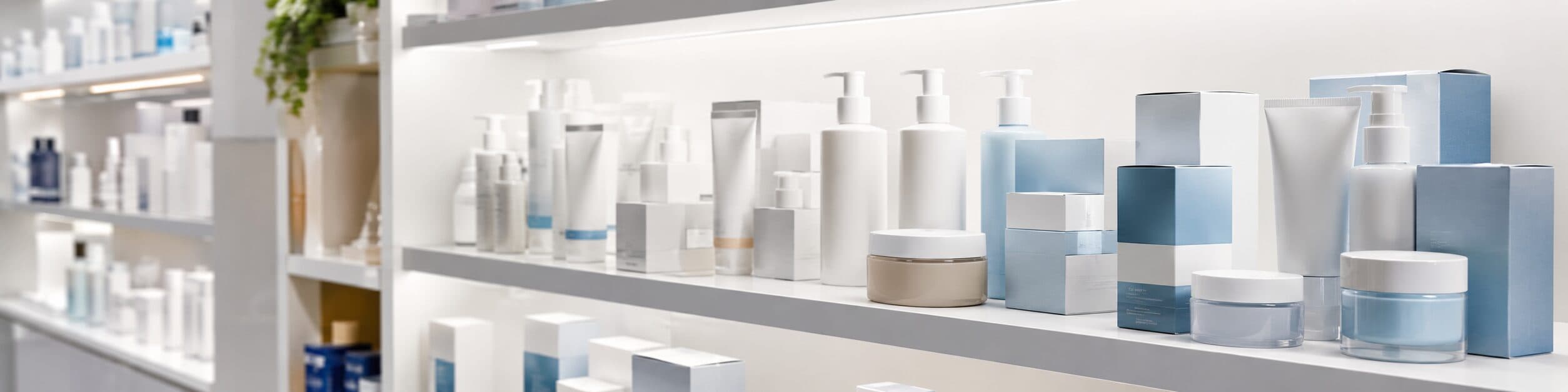
Choosing a moisturizer shouldn’t depend solely on the brand, the latest texture, or an advertising claim. A good choice is based on understanding what your skin needs, which ingredients help retain moisture, and what signs indicate that a product isn’t right for you.
Before you read: At Skinpaths, we distinguish between opinion and evidence. To write this content, we prioritized indexed medical sources and recommendations from scientific societies. You’ll find the complete bibliography at the end for your reference.
Important: This article is for informational purposes only and does not replace medical advice. If you have any questions, persistent symptoms, or your condition worsens, consult a healthcare professional.
Summary in 60 seconds
- A moisturizing cream helps improve hydration of the outermost layer of the skin and support the barrier function.
- Not all formulas do the same thing: some attract water, others soften the skin, and others reduce water loss into the environment.
- To make the best choice, consider four aspects: your skin type, the area where you will use it, the product’s texture, and its main ingredients.
- In general, dry skin tends to tolerate thicker creams or ointments better; oily skin usually prefers light gels or lotions; and sensitive skin usually needs simple, fragrance-free formulas.
- Applying moisturizer after bathing or washing, when the skin is still slightly damp, can help retain water on the skin’s surface.
What is a moisturizing cream and why is it important?
A moisturizing cream is a product designed to improve the hydration, softness, and comfort of the skin. Although in everyday language «moisturizer,» «hydrating cream,» and «emollient» are often used interchangeably, technically they can serve different functions.
The skin acts as a barrier: it helps retain water, limits the entry of irritants, and protects against the environment. When this barrier is compromised, tightness, roughness, flaking, itching, burning, or cracking may occur.
Moisturizing is more than just a cosmetic step. For dry, sensitive skin, skin with eczema, irritant dermatitis, or skin undergoing drying treatments, it can be a central part of daily care. Emollients are used to relieve dryness, reduce transepidermal water loss, maintain the integrity of the skin barrier, and alleviate symptoms such as itching. DermNet 2022
How does it work? Simple explanation, no complicated physics.
A good moisturizing cream usually combines three types of ingredients:
1. Humectants
They attract and retain water in the skin’s surface layer. Examples include glycerin, hyaluronic acid, urea, and lactic acid. They are helpful when the skin feels dehydrated or tight.
2. Emollients
They soften the skin and help fill in minor irregularities between surface cells. Examples: oils, esters, shea butter, squalane, some lipids, and ceramides.
3. Plosives
They form a protective film that reduces water loss. Examples include petrolatum, paraffin, mineral oil, and dimethicone. They are especially useful for very dry, cracked skin, or on areas such as hands, elbows, knees, and heels.
DermNet classifies the components of moisturizers as emollients, occlusives, and humectants; it also notes that ointments are generally the most occlusive, creams are intermediate, and lotions are the lightest. DermNet 2022
How to choose a moisturizing cream and how to use it correctly?
1. Choose according to your skin type
- Normal or occasionally dry skin
A light lotion or cream may be sufficient. Look for ingredients such as glycerin, hyaluronic acid, ceramides, or dimethicone. - Dry skin
She prefers a thick cream or ointment. Very thin lotions may not be enough if there is flaking, cracking, or a persistent feeling of tightness. Creams generally have a higher fat content than lotions, while ointments are thicker and more occlusive. American Academy of Dermatology 2022 - Oily or acne-prone skin
You don’t necessarily have to avoid moisturizer. Choose gel, gel-cream, or light lotion textures. Look for labels like «non-comedogenic» and avoid very oily products on areas where you tend to break out. - Sensitive, reactive, or eczema-prone skin
Prioritize simple formulas, fragrance-free and without many botanical extracts. “Natural” doesn’t always mean better tolerance. For sensitive skin, fewer ingredients are often an advantage. - Mature skin
As we age, our skin may retain less water. It can benefit from richer creams, especially at night, with ingredients like glycerin, ceramides, niacinamide, or petrolatum on dry areas.
2. Choose according to the area
- Face: lighter texture if there is oiliness or acne; richer cream if there is dryness or use of retinoids.
- Hands: thick cream after each wash; ointment at night if there are cracks.
- Body: lotion if dryness is mild; cream if there is roughness; ointment in very dry areas.
- Eyelids: Use very simple, fragrance-free products with caution; if redness persists, consult a doctor.
- Lips: simple balm or petrolatum; avoid products that burn, sting, or are too «cooling».
3. Check the useful ingredients
- Glycerin
It is a classic moisturizer, very frequently used and generally well tolerated. - Ceramides
These are lipids related to the skin barrier. A systematic review found that moisturizers with ceramides can improve clinical parameters in atopic dermatitis, although this does not mean that all ceramide creams are superior for everyone. Nugroho 2023 - Hyaluronic acid
It helps retain water and is usually found in light textures. - Urea
It can be helpful for dryness and roughness, especially on the body, but it can sting if the skin is cracked or very irritated. - Dimethicone, petrolatum, or mineral oil
They help reduce water loss, especially in very dry skin. - Niacinamide
It can support the barrier function and is usually well tolerated, although not all sensitive skin types react the same way.
4. Avoid or use with caution
For dry, sensitive, or eczema-prone skin, it’s advisable to be careful with:
-
- Fragrance or perfume.
- Essential oils.
- Alcohol denat in formulas that cause drying.
- Frequent exfoliants: glycolic acid, lactic acid in high concentrations, salicylic acid or scrubs.
- Many botanical extracts in one formula.
- Products that burn persistently.
The American Academy of Dermatology recommends choosing fragrance-free products for dry or sensitive skin and differentiates between «fragrance-free» and «unscented,» because some unscented products may contain substances used to mask fragrances. American Academy of Dermatology 2022
5. Use it at the right time
- The best time is usually after a bath, shower, or washing your hands. Pat your skin dry, without rubbing, and apply the cream while it’s still slightly damp.
- The NHS recommends applying emollients after washing your hands, bathing, or showering, as this is when your skin needs moisture most. NHS 2023
6. Adjust the frequency
There is no universal frequency. As a rule of thumb:
-
- Normal skin: once a day or as needed.
- Dry skin: once or twice a day.
- Dry hands: after washing them.
- Eczema or marked dryness: several times a day, as directed by a doctor or as tolerated.
The NHS notes that emollients can be applied as often as needed to keep skin moisturized; for some people, this may mean several times a day. NHS 2023
Common mistakes
1. Choosing based solely on brand or price
An expensive cream isn’t always better. Texture, ingredients, and skin tolerance matter more.
2. Use a very light lotion on very dry skin
If your skin still feels tight after a few minutes, you may need a thicker cream or a product with a more occlusive component.
3. Thinking that “natural” means safe
Plant extracts, essential oils, and natural fragrances can also irritate or cause contact dermatitis. The American Academy of Dermatology warns that some “natural” products can aggravate allergies in people with sensitive skin. American Academy of Dermatology 2022
4. Apply a very small amount
If your skin remains just as dry, rough, or tight, you may be using too little or too infrequently.
5. Exfoliate flaky skin
Peeling skin doesn’t always mean «dead skin that needs to be removed.» Often, it indicates a compromised skin barrier. Exfoliating can worsen burning, redness, and dryness.
6. Change product every few days
Skin needs consistency. If there’s no irritation, try a product for at least a week or two before deciding it doesn’t work.
7. Putting dirty fingers into large jars
If you use a jar, make sure your hands are clean or use a spatula. The NHS recommends using a clean spoon or spatula to reduce the risk of contamination. NHS 2023
Myths vs. Facts
Myth: Oily skin doesn’t need moisturizer.
Fact: Some oily skin types do benefit from lightweight moisturizers, especially if they use acne treatments, retinoids, or drying cleansers.
Myth: If it burns, it’s because it’s working.
Fact: A mild, transient stinging sensation may occur with some ingredients, but persistent burning, itching, redness, or worsening are not desirable signs.
Myth: Creams with many active ingredients are better.
Fact: On sensitive skin, a simple formula can be safer and easier to tolerate.
Myth: Ceramides repair any skin problem.
Fact: They can support the skin barrier, but they are not a substitute for diagnosis or treatment if there is dermatitis, infection, moderate-to-severe eczema, or another condition.
Myth: Moisturizer replaces sunscreen.
Fact: No. During the day, if there will be sun exposure, sunscreen is still necessary. Some creams include SPF, but they must be applied in sufficient quantity.
Myth: If a cream says «hypoallergenic», it cannot cause an allergy.
Fact: “Hypoallergenic” reduces an expectation of risk, but does not guarantee universal tolerance.
Persistent, painful, cracked, or inflamed dryness may require medical evaluation to rule out dermatitis, infection, psoriasis, or other skin conditions. American Academy of Dermatology 2022
Frequently Asked Questions
What is the difference between lotion, cream, and ointment?
- Lotion is usually lighter and more fluid. Cream is denser and tends to be more moisturizing. Ointment is the greasiest and most occlusive; it can be very useful for very dry skin, but it feels heavier.
Which ingredient is the most important?
- There isn’t just one. For many people, a combination of moisturizer, emollient, and occlusive works better than a single star ingredient.
Are ceramides necessary?
- Not always, but they can be helpful, especially for dry, sensitive, or compromised skin. Evidence supports their usefulness in some situations, although this doesn’t automatically make any product with ceramides the best option.
Can I use the same cream on my face and body?
- Sometimes, yes. But if your face is oily, acne-prone, or sensitive, it may need a lighter formula than the one you use on your body. Your hands, elbows, and heels usually tolerate thicker products.
When should I apply moisturizer?
- After showering or washing, while skin is still slightly damp. You can also reapply it when your skin feels dry, tight, or rough.
What should I do if a cream burns my skin?
- Stop use if the burning sensation is severe, persists, or is accompanied by redness, itching, or swelling. If the reaction does not improve, consult a doctor.
Can a moisturizer worsen acne?
- Yes, if it’s too oily or comedogenic for your skin. For acne-prone skin, choose lightweight, non-comedogenic textures and avoid applying heavy ointments to breakout-prone areas.
Bibliography and sources
- American Academy of Dermatology Association. How to choose the right moisturizer for your skin. American Academy of Dermatology Association; 2022. https://www.aad.org/public/everyday-care/skin-care-basics/dry/pick-moisturizer
- American Academy of Dermatology Association. Dermatologists’ top tips for relieving dry skin. American Academy of Dermatology Association; 2022. https://www.aad.org/public/everyday-care/skin-care-basics/dry/dermatologists-tips-relieve-dry-skin
- National Health Service. Emollients. NHS; 2023. https://www.nhs.uk/tests-and-treatments/emollients/
- Whittaker L, Oakley A. Emollients and moisturisers. DermNet NZ; 2022. https://dermnetnz.org/topics/emollients-and-moisturisers
- van Zuuren EJ, Fedorowicz Z, Christensen R, Lavrijsen APM, Arents BWM. Emollients and moisturizers for eczema. Cochrane Database Syst Rev. 2017;2(2):CD012119. https://pmc.ncbi.nlm.nih.gov/articles/PMC6464068/
- van Zuuren EJ, Fedorowicz Z, Arents BWM. Emollients and moisturizers for eczema: abridged Cochrane systematic review including GRADE assessments. Br J Dermatol. 2017;177(5):1256-1271. https://pubmed.ncbi.nlm.nih.gov/28432721/
- Purnamawati S, Indrastuti N, Danarti R, Saefudin T. The role of moisturizers in addressing various kinds of dermatitis: a review. Clin Med Res. 2017;15(3-4):75-87. https://pmc.ncbi.nlm.nih.gov/articles/PMC5849435/
- Nugroho WT, Wongkarnjana A, Chularojanamontri L, Limphoka P, Kamanamool N, Manuskiatti W. The efficacy of moisturisers containing ceramide compared with other moisturisers in the management of atopic dermatitis: a systematic literature review and meta-analysis. Indian J Dermatol Venereol Leprol. 2023. https://pubmed.ncbi.nlm.nih.gov/37151263/
- Kang SY, Um JY, Chung BY, Lee SY, Park JS, Kim JC, et al. Moisturizer in patients with inflammatory skin diseases. Medicine (Kaunas). 2022;58(7):888. https://pmc.ncbi.nlm.nih.gov/articles/PMC9315586/
- Harwood A, Nassereddin A, Krishnamurthy K. Moisturizers. In: StatPearls. Treasure Island (FL): StatPearls Publishing; 2024. https://www.ncbi.nlm.nih.gov/books/NBK545171/
Categories: For everyone

Content reviewed by
Dr. Rodolfo Suárez
Médico Patólogo y Dermatólogo Master en Patología Cutánea Avanzada
- Published
- September 18, 2026
- Updated
- September 23, 2026
Medically reviewed by specialists
Our content is based on current scientific evidence and clinical protocols.